

The Role of Airtight Seals in Storage: What Works
Airtight seals are defined as physical barriers that prevent air, moisture, and contaminants from crossing the boundary between a container’s interior and the outside environment. The role of airtight seals in storage is to maintain that sealed environment consistently, protecting contents from oxidation, humidity fluctuations, and microbial exposure. Whether you’re storing dry goods in a glass canister, leftovers in a BPA-free plastic container, or cannabis in a lockable stash box, the seal is the single most critical component determining how long your stored items stay fresh. Standard polyethylene cling film carries an oxygen transmission rate of 6,000 to 8,000 cc/m²/day compared to just 40 cc/m²/day for vacuum sealer bags. That gap explains why material and seal design matter far more than most people realize.
How airtight seals work to preserve freshness
The science behind airtight seals comes down to three interconnected mechanisms: oxygen exclusion, moisture control, and aerobic microbial growth inhibition. Understanding each one helps you make smarter decisions about which containers to buy and how to use them.
Oxygen exclusion is the most direct benefit. Oxygen reacts with fats, pigments, and aromatic compounds through a process called oxidation, which degrades flavor, color, and nutritional value. Vacuum-sealed foods benefit from up to 4x shelf life extension by removing oxygen and slowing both aerobic microbial growth and lipid oxidation. That is not a marginal improvement. It is the difference between coffee staying fresh for two weeks versus two months.

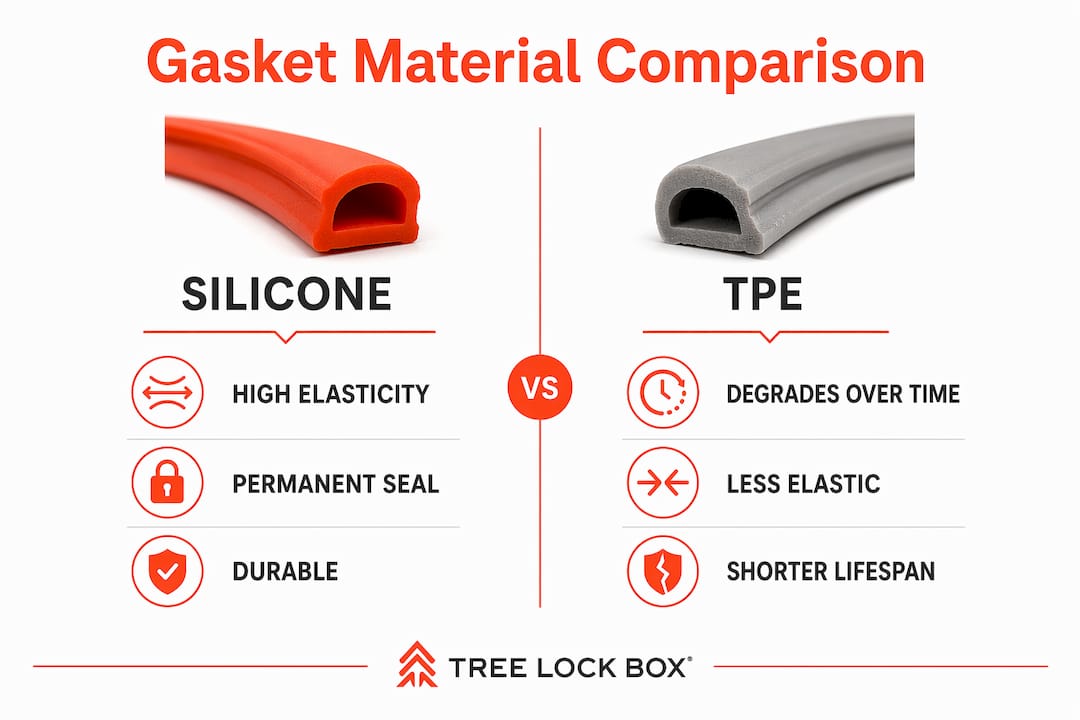
Moisture control works in both directions. An airtight seal prevents dry goods from absorbing ambient humidity, which causes clumping, softening, and mold. It also prevents moist foods from losing water vapor, which causes drying, texture changes, and flavor loss. The gasket material determines how well this exchange is blocked. Silicone gaskets, being thermoset elastomers, maintain their shape and compression force over years of use. Thermoplastic elastomers (TPE), found in cheaper containers, soften and deform with repeated heating and cooling cycles, gradually losing their sealing ability.
Aerobic microbial growth inhibition is where people often misunderstand the technology. Airtight containers limit air exchange and contain moisture, slowing aerobic bacteria and mold proliferation. They do not sterilize. Bacteria already present on food before sealing will continue to grow, just more slowly. This is why food handling before sealing matters as much as the seal itself.
- Oxidation degrades fats, flavors, and pigments when oxygen contacts stored items
- Moisture exchange causes texture changes in both directions: softening dry goods and drying moist ones
- Aerobic microbes need oxygen to thrive; limiting it slows their reproduction
- Seals do not eliminate bacteria already present at the time of sealing
- Gasket material determines long-term seal reliability, not just initial performance
Pro Tip: Cool hot food to room temperature before sealing. Warm air contracts as it cools inside a sealed container, creating a partial vacuum that increases compressive stress on the gasket. This is why lids sometimes feel stuck after storing warm leftovers. It is a sign the seal is working, but starting with hot food can stress gaskets prematurely.
Silicone vs. TPE and which container material wins
Not all airtight containers perform equally, and the differences come down to gasket engineering and container material. Here is how the main options compare.
Silicone gaskets have high elastic memory and maintain vacuum seal integrity permanently, unlike TPE gaskets that degrade over time due to compression set. Silicone remains dimensionally stable across temperature extremes, from freezer cold to dishwasher heat, without softening or warping. TPE gaskets are cheaper to manufacture and perform adequately in the short term, but they lose their sealing force after repeated compression cycles.
Advanced seal designs go further than a single gasket ring. Tapered ribbing and multiple air dams within silicone gaskets create independent moisture and air barriers, so even if one sealing point is compromised, others remain active. Some mechanical sealing systems also incorporate one-way valves or venting notches that allow excess air to escape during lid closure without popping the lid open. These engineering details separate genuinely airtight containers from those that simply market themselves as airtight.
Pro Tip: “Airtight” is often a marketing term without technical standardization. Look for containers that specify silicone gaskets, compression-fit lids, or active self-energizing seal designs. A container that lists “TPE seal” or gives no gasket information at all is likely relying on a basic friction fit.
| Container material | Seal compatibility | Durability | Best use case |
|---|---|---|---|
| Borosilicate glass | Excellent with silicone gaskets | Very high; no flavor absorption | Long-term dry goods, leftovers, sensitive items |
| BPA-free plastic | Good with compression-fit lids | Moderate; can warp with heat | Everyday food storage, portability |
| Stainless steel | Excellent with silicone or rubber gaskets | Very high; odor-resistant | Sensitive items, cannabis, travel storage |
| Aluminum | Good with rubber or silicone seals | High; lightweight | Portable storage, smell-proof applications |
Glass and stainless steel are the top performers for long-term storage because neither material absorbs odors or leaches compounds into stored contents. BPA-free plastic is practical for everyday use but degrades faster under heat and repeated washing. For durable storage materials, stainless steel and glass consistently outperform plastic over a multi-year ownership horizon.
Common misconceptions that undermine airtight storage
The biggest mistake people make with airtight storage is assuming the container does all the work. The seal is only as effective as the conditions you create before closing the lid.
- Myth: airtight seals eliminate all bacteria. They do not. Airtight seals slow aerobic growth but cannot neutralize bacteria already on the food. Proper food handling, clean surfaces, and appropriate temperatures remain the primary defense.
- Dirt and debris on the rim break the seal. Microscopic debris or rim damage creates leak paths that bypass gaskets entirely. Even a small food residue or a nick in the glass rim allows air ingress, negating the seal’s effectiveness.
- Overfilling prevents a proper seal. When contents press against the lid, the gasket cannot compress evenly. Leave at least a quarter inch of clearance below the rim on rigid containers.
- Hot food damages gaskets over time. Sealing food while still steaming accelerates TPE gasket degradation and can warp plastic lids. Allow food to cool first.
- The vacuum-like effect is not a flaw. When warm air inside a sealed container cools and contracts, it creates a partial vacuum that increases seal compressive stress. A lid that is hard to open is evidence of a working seal, not a defective one.
The most overlooked maintenance step is gasket inspection. Run your finger around the gasket monthly. If it feels sticky, cracked, or has lost its springiness, replace it. Most quality containers sell replacement gaskets separately, and a fresh gasket costs far less than replacing the container.
Practical tips for choosing and using airtight storage
Choosing the right container depends on what you are storing, how long you plan to store it, and whether temperature changes are involved.
- Match the container to the storage duration. For items stored less than three days, a basic compression-fit plastic container works fine. For anything beyond three days, refrigeration at 2°C to 4°C combined with airtight glass containers significantly reduces waste and maintains safety. Most home refrigerators run at 7°C, which is warmer than optimal.
- Choose vacuum-sealed bags for irregular shapes. Rigid containers leave dead air space around oddly shaped items. Vacuum bags conform to the contents and remove that residual air, making them better for meats, cheeses, and herbs.
- Label everything with the seal date, not just the contents. Knowing what is inside a container is less useful than knowing when it was sealed. A date label lets you rotate stock and catch items before they degrade.
- Store dry goods at consistent temperatures. Temperature swings cause condensation inside containers, even sealed ones. A pantry with stable temperature outperforms a cabinet near the stove or dishwasher.
- Inspect and clean gaskets before each use. Wipe the container rim and the gasket groove with a damp cloth. Residue in the groove is the most common cause of seal failure in otherwise functional containers.
Pro Tip: For cannabis and other aromatic or sensitive items, stainless steel containers with silicone-gasketed lids outperform plastic in every dimension: odor containment, moisture control, and longevity. The ONGROK smell-proof aluminum puck is a well-engineered example of how compact airtight design handles sensitive storage without bulk.
For organized cannabis storage, combining airtight containers with a logical labeling system reduces the chance of accidentally exposing stored product to air during retrieval. Open the container you need, reseal it immediately, and keep others closed.
Key takeaways
Airtight seals preserve freshness by blocking oxygen, moisture, and microbial exposure, and their effectiveness depends entirely on gasket material quality, container design, and correct user practice.
| Point | Details |
|---|---|
| Gasket material determines longevity | Silicone gaskets outperform TPE over time due to superior elastic memory and temperature stability. |
| Vacuum sealing extends shelf life up to 4x | Removing oxygen slows both lipid oxidation and aerobic microbial growth simultaneously. |
| Seals do not sterilize | Bacteria present before sealing continue to grow; food handling before sealing is the primary defense. |
| Surface cleanliness is non-negotiable | Microscopic debris or rim damage creates leak paths that bypass even high-quality gaskets. |
| Container material affects overall performance | Glass and stainless steel resist odor absorption and last longer than BPA-free plastic under repeated use. |
What I’ve learned from years of watching storage fail
Most people buy a container labeled “airtight” and assume the job is done. It is not. The label is marketing. The gasket is engineering. Those are two very different things, and the gap between them is where freshness is lost.
At Treelockbox, we see this constantly in the cannabis storage space. Customers come to us after their product dried out, lost potency, or picked up off-flavors from a plastic container that was never truly sealed. The container looked fine. The lid closed. But the TPE gasket had compressed and flattened after six months of use, and air was moving freely through what appeared to be a tight seal.
The environmental angle matters too. A silicone-gasketed glass or stainless steel container that lasts ten years generates far less waste than cycling through cheap plastic containers every year or two. The upfront cost is higher. The total cost is lower, and the storage performance is better throughout.
The future of airtight storage is moving toward active sealing systems: one-way valves, pressure-equalizing vents, and modular gasket replacement programs. These are already standard in high-end food storage and cannabis accessories. They will become mainstream. When they do, the baseline expectation for what “airtight” means will shift, and containers without these features will look as inadequate as cling film does today.
— Tree Lock Box
Upgrade your storage with Treelockbox
If this article has you reconsidering what is actually in your storage setup, Treelockbox has done the work of vetting the options for you. The cannabis storage guide covers airtight container selection, seal maintenance, and organization strategies built specifically for sensitive storage needs. For those ready to browse, the full product shop features lockable stash boxes, odor-controlling containers, and portable units built with silicone-gasketed lids and American craftsmanship. Whether you are storing flower, concentrates, or general dry goods, the right airtight container is the single upgrade that pays off every day.
FAQ
What is the role of airtight seals in storage?
Airtight seals block oxygen, moisture, and contaminants from reaching stored contents, slowing oxidation, microbial growth, and texture degradation. The seal material and design determine how effectively and how long this protection holds.
Do airtight containers eliminate bacteria?
No. Airtight containers slow aerobic bacterial growth by limiting oxygen, but they do not eliminate bacteria already present on food at the time of sealing. Proper food handling before sealing remains the primary defense against spoilage.
What is the best gasket material for airtight seals?
Silicone is the best gasket material for long-term airtight performance because it maintains elastic memory and dimensional stability across temperature extremes. TPE gaskets are cheaper but degrade faster due to compression set with repeated use.
Why is my airtight container lid hard to open?
A difficult-to-open lid is a sign the seal is working correctly. When warm air inside a sealed container cools and contracts, it creates a partial vacuum that increases compressive stress on the lid. This is normal and expected behavior.
How often should I replace container gaskets?
Inspect gaskets monthly and replace them when they feel sticky, cracked, or have lost springiness. Most quality containers sell replacement gaskets separately, making this a low-cost maintenance step that restores full seal performance.