

Why Durable Materials for Storage Boxes Matter
Durable materials for storage boxes are defined as materials engineered to resist physical stress, moisture, UV exposure, and temperature extremes without losing structural integrity. For cannabis storage, this definition carries real consequences. Flower, concentrates, and oils degrade when exposed to humidity, light, or pests, and a box that fails structurally accelerates that damage. Materials like HDPE, polypropylene, and UV-stabilized resin are the industry standard for protective storage because they address every one of those threats simultaneously. Choosing the wrong material is not a minor inconvenience. It is a direct path to lost potency, contamination, and wasted product.
Why durable materials for storage boxes are non-negotiable
The core reason to prioritize material durability in storage boxes comes down to protection reliability over time. A box that holds up on day one but warps, cracks, or loses its seal by month six is not a storage solution. It is a liability. For cannabis products specifically, the stakes are higher than for general household storage because flower and concentrates are sensitive to moisture, light, and air in ways that most stored items are not.
The key material properties that define durability in this context include:
- Impact resistance: The box must absorb drops and handling without cracking. HDPE retains toughness at subzero temperatures, preventing the embrittlement and cracking that compromise lesser plastics in cold storage environments.
- Moisture barrier performance: Sealable plastic bins prevent musty odors and spoiling that cardboard absorbs readily. For cannabis, moisture ingress means mold, and mold means the entire contents are lost.
- UV resistance: Sun exposure degrades polymer chains in unprotected plastics, causing brittleness and color fade. UV stabilizers prolong polymer box lifespan by preventing polymer chain degradation, maintaining both material integrity and appearance under direct sun.
- Temperature tolerance: Cannabis stored in fluctuating heat loses terpenes and potency. HDPE handles subzero cold without cracking, while polypropylene manages repeated thermal cycling without deforming.
- Construction quality: Material durability includes design quality, specifically hinges, latches, and seals, which impact overall longevity more than raw material type alone.
Pro Tip: Check wall thickness before buying. A box made from a premium material but with thin walls will fail under stacking load faster than a thicker box made from a slightly lower-grade plastic.
How do common storage materials compare for cannabis use?
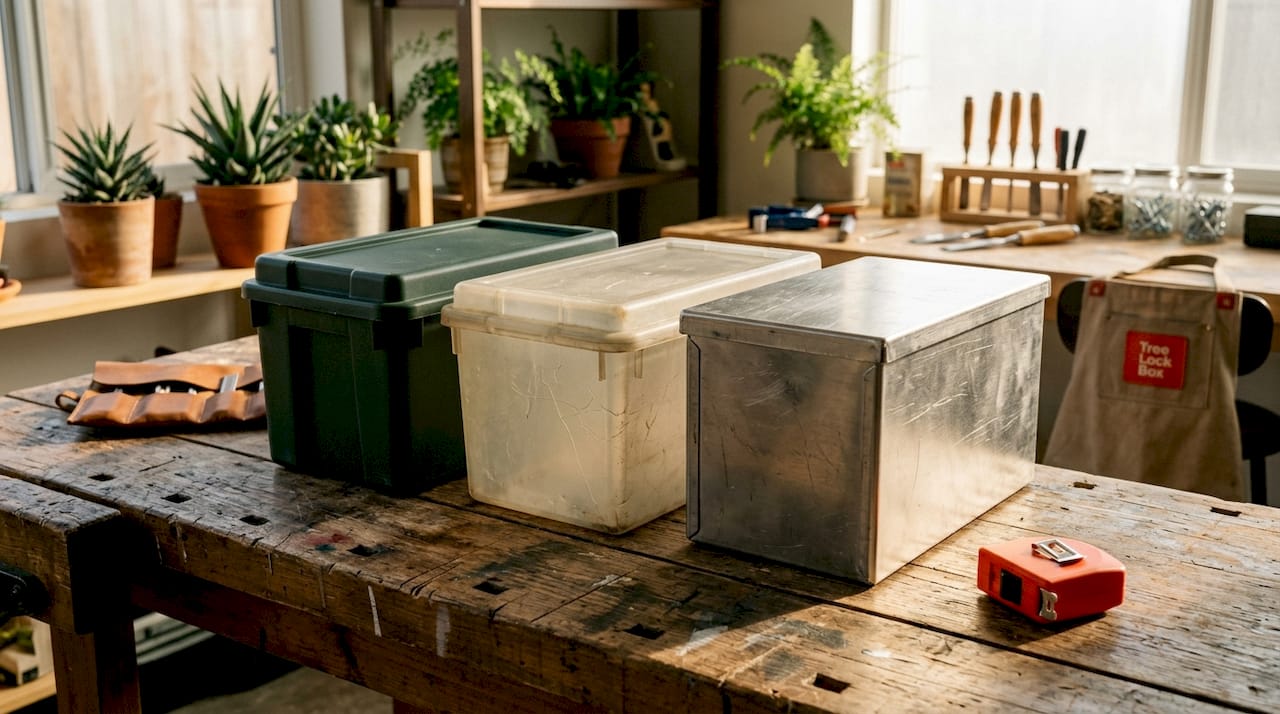
Not all durable materials perform equally across every storage condition. The table below compares the five most common materials used in cannabis storage boxes across the durability factors that matter most.
| Material | Impact resistance | Moisture resistance | UV resistance | Weight | Best use case |
|---|---|---|---|---|---|
| HDPE | Excellent | Excellent | Good (stabilized) | Light | Cold storage, long-term indoor/outdoor |
| Polypropylene | Very good | Very good | Moderate | Very light | Frequent handling, slim storage |
| Resin | Good | Excellent | Excellent | Moderate | Outdoor, weatherproof storage |
| Wood | Moderate | Poor without treatment | Poor | Heavy | Aesthetic indoor display storage |
| Metal | Excellent | Moderate (rust risk) | Excellent | Heavy | High-security, fire-resistant storage |
HDPE and polypropylene are the workhorses of durable cannabis storage. Polypropylene retains shape through high fatigue resistance under repeated bending and flexing, making it ideal for boxes that get opened and closed multiple times daily. HDPE adds cold-weather toughness that polypropylene lacks at extreme low temperatures. Both materials resist the moisture and chemical exposure that cannabis products can generate over time.
Resin is the clear winner for outdoor use. UV-stabilized resin prevents fading, cracking, and brittleness from sun exposure while maintaining box shape and seal integrity in ways that wood and metal cannot match. Resin also resists rot and rust, two failure modes that eliminate wood and untreated metal from serious outdoor consideration. For anyone storing cannabis accessories on a patio, in a garage, or in any sun-exposed location, resin is the correct choice.
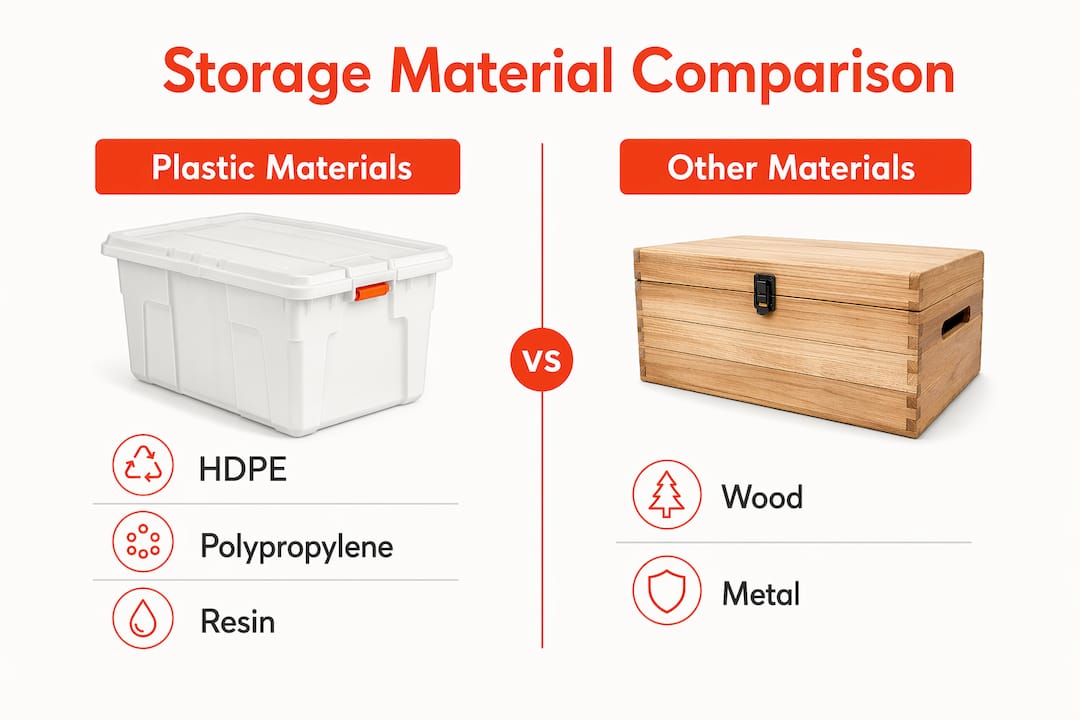
Wood offers natural insulation and moisture regulation but requires regular sealing and maintenance to stay weather-resistant. It works well for aesthetic indoor stash boxes where appearance matters, but it is not a long-term outdoor material without significant upkeep.
Metal provides the strongest impact resistance and fire protection of any common storage material. The trade-off is weight and rust vulnerability in humid environments. For high-security cannabis storage where theft deterrence matters, metal combined with a quality lock is hard to beat. For everyday use, the weight and rust risk make it less practical than HDPE or resin.
Pro Tip: For UV-sensitive cannabis products like CBD oils and concentrates, pair a UV-stabilized resin or HDPE box with an opaque interior lining. The material handles external UV, but an opaque interior prevents light scatter from reaching the product directly.
How do durable materials protect your storage over the long term?
The long-term advantages of sturdy storage containers go well beyond surviving a single drop. Structural durability translates directly into protection consistency across months and years of use. Here is how that plays out in practice:
-
Stacking integrity: Durable boxes resist warping, collapsing, and splitting under stacking weight. Well-constructed storage boxes reduce repacking labor and exposure risk during extended storage, proving cost-effective despite higher upfront cost. A box that collapses under a stack forces you to repack everything, which means handling your cannabis products unnecessarily and exposing them to air and light each time.
-
Pest and contamination resistance: Rigid plastic and resin boxes with tight seals block insects, rodents, and airborne contaminants. Cardboard and untreated wood offer no meaningful barrier against pests. For cannabis storage, a single pest intrusion can contaminate an entire collection.
-
Seal integrity over time: Airtight seals preserve freshness by limiting oxygen exchange. Cannabis flower loses terpenes and potency when exposed to excess oxygen, and a seal that degrades within months defeats the purpose of buying a quality box in the first place. Matching storage bin material to the specific item type and environmental exposure is what keeps seals functional long-term.
-
Reduced total cost: Long-term cost in high-integrity storage is driven by repacking labor and exposure risk from box failure rather than replacement box price alone. Buying a cheap box that fails in six months costs more over three years than buying a quality HDPE or resin box once.
-
Organizational stability: Durable boxes hold their shape, which means your storage system stays organized. Warped or collapsed boxes disrupt stacking systems and make it harder to locate specific products quickly.
The practical consequence of inadequate durability is product degradation. Cannabis that has been exposed to moisture, UV, or oxygen loses potency in measurable ways, and no amount of careful handling recovers that loss once it has occurred.
How to choose the right durable storage material for cannabis products
Selecting the best materials for storage boxes requires matching material properties to your specific storage conditions. Generic advice about “buying quality” misses the point. The right material depends on where you store, what you store, and how often you access it.
- Indoor, climate-controlled storage: Polypropylene is the practical choice. It is lightweight, handles frequent opening and closing without deforming, and provides solid moisture resistance for flower and accessories stored at stable room temperature.
- Outdoor or garage storage: Resin with UV stabilization is the correct material. Resin construction combined with weatherproof design elements such as raised bases and continuous seals prevents moisture ingress and withstands sun exposure better than wood or metal alternatives.
- Cold storage: HDPE is the only common plastic that retains toughness at subzero temperatures without becoming brittle. If you store cannabis in a refrigerator or cold room, HDPE is the correct choice.
- High-security storage: Metal boxes with quality locking mechanisms provide the strongest theft deterrence. Pair with a rust-resistant coating or stainless steel construction to address the humidity vulnerability.
- Evaluating durability criteria: Wall thickness, UV rating, temperature range, and chemical compatibility matter more than appearance or brand name. Ask for these specifications before purchasing.
- Maintenance to extend box life: Clean resin and plastic boxes with mild soap and water. Avoid abrasive cleaners that scratch surfaces and create micro-cracks where moisture can enter. Inspect seals and latches every few months and replace them before they fail completely.
For a detailed breakdown of what to look for across different types of cannabis stash boxes, the specific material and design features that protect potency are worth reviewing before you buy.
Key takeaways
Durable materials for cannabis storage boxes are the single most important factor in preserving product quality, preventing contamination, and reducing long-term storage costs.
| Point | Details |
|---|---|
| Match material to environment | Use HDPE for cold storage, resin for outdoor use, and polypropylene for frequent indoor access. |
| Seal and latch quality matters | Design features like hinges and continuous seals affect longevity as much as raw material type. |
| Durability reduces total cost | Box failure leads to repacking labor and product exposure, costing more than a quality box upfront. |
| UV resistance protects potency | UV-stabilized materials prevent polymer degradation and protect light-sensitive cannabis products. |
| Pest and moisture resistance | Rigid plastic and resin boxes with tight seals block the contamination threats that cardboard cannot. |
What years of cannabis storage taught me about material choices
The cannabis storage market has matured significantly, and one pattern stands out clearly. Consumers consistently underestimate how much the construction details matter compared to the base material. A polypropylene box with a poorly designed latch fails faster than a basic HDPE box with a solid continuous seal. The material gets the attention in marketing, but the hardware is where boxes actually succeed or fail in daily use.
The other pattern I see repeatedly is buyers prioritizing aesthetics over performance. A beautiful wooden stash box looks great on a shelf, but if you live in a humid climate or store near a window, that wood is working against you from day one. The cannabis inside it will tell you within a few months. Terpene loss and moisture damage are not subtle.
My honest recommendation is to treat your storage box the same way you treat the products inside it. You would not buy low-quality flower to save a few dollars. Applying that same standard to the container that protects everything else is the logical extension of caring about quality. The durable smoking storage examples that hold up over years share one common trait: the builder prioritized function over appearance at every decision point.
— Tree Lock Box
Explore durable cannabis storage solutions from Treelockbox
Treelockbox builds its storage products around the material and construction standards this article covers. The lockable stash boxes use HDPE and UV-stabilized resin construction with continuous seals and reinforced latches designed to maintain airtight integrity through years of daily use. Whether you store flower, concentrates, oils, or accessories, the product lineup at the Treelockbox shop covers indoor, outdoor, and portable storage needs. Every box is built with odor control, pest resistance, and organizational capacity in mind. If you have specific questions about which storage solution fits your setup, the cannabis storage FAQ covers material selection, maintenance, and feature comparisons in detail.
FAQ
What is the best material for a cannabis storage box?
HDPE and UV-stabilized resin are the top performers for cannabis storage. HDPE handles cold temperatures and moisture, while resin excels in outdoor and sun-exposed conditions.
Why does material durability matter more than box price?
Box failure causes product exposure, repacking labor, and contamination risk that cost more over time than a quality box purchased once. Durability reduces total long-term cost, not just upfront expense.
How does UV resistance protect cannabis products?
UV stabilizers in HDPE and resin boxes prevent polymer chain degradation that causes cracking and brittleness. They also block light transmission that degrades terpenes and potency in flower and concentrates.
Can I use a wooden box for long-term cannabis storage?
Wood works for short-term indoor storage in dry, stable environments, but it absorbs moisture, lacks pest resistance, and requires regular sealing to maintain any weather protection. Plastic or resin boxes are more reliable for long-term use.
What construction features should I check beyond the material?
Inspect the seal quality, latch mechanism, and wall thickness. Design features like continuous seals and reinforced hinges affect storage longevity as much as the base material itself.