

Secure Personal Item Storage Explained for Valuables
Secure personal item storage is defined as the practice of combining physical protection, organized access, privacy controls, and insurance documentation to safeguard valuables from theft, damage, or loss. Whether you’re protecting heirlooms, legal documents, cannabis accessories, or irreplaceable keepsakes, the right storage system goes far beyond buying a lock. The most effective approach layers multiple solutions: a home safe for daily-access items, a safe deposit box for irreplaceable documents, and a self-storage unit for bulk or seasonal valuables. Documentation and insurance coverage are not optional additions. They are the difference between recovering your losses and absorbing them entirely.
What are the most common secure personal storage options?
Safe deposit boxes, home safes, self-storage units, and portable containers each solve a different problem. Knowing which one fits your situation requires understanding what each actually delivers in terms of security, access, and cost.
Safe deposit boxes
Safe deposit boxes sit inside bank vaults and offer some of the strongest physical security available to private individuals. The critical limitation: banks do not insure the contents of these boxes. That means a flood, fire, or theft at the bank leaves you with no automatic compensation. You need a scheduled personal property endorsement on your homeowners or renters insurance policy to cover anything stored inside. GEICO also flags a practical access problem: passports, medical directives, and power-of-attorney documents should never live in a safe deposit box because bank vault hours make emergency retrieval nearly impossible.
Home safes
Home safes give you 24/7 access and customizable security, but the market is full of misleading labels. Many safes sold under $300 carry no UL or ETL certification. Uncertified safes may protect for only 10 to 15 minutes in a fire and can be pried open quickly by a determined burglar. Always verify UL Residential Security Container ratings for burglary resistance and UL 72 or ETL fire ratings before purchasing. Liberty Safe recommends placing your safe in an interior room and using a hygrometer with a small dehumidifier to control humidity levels and protect heirlooms, photographs, and sensitive documents from moisture damage.
Self-storage units and portable containers
Self-storage facilities offer scalable space with gated access, surveillance cameras, and individual unit alarms. Gated entrances, cameras, and alarms significantly raise the barrier for unauthorized access, but the facility’s insurance does not cover your belongings. Portable containers sit on your property and offer convenience, but they typically lack the monitored security infrastructure of a dedicated facility. Short-term self-storage typically runs up to three months and costs less than portable or full-service options, making it the most practical choice for temporary storage needs.
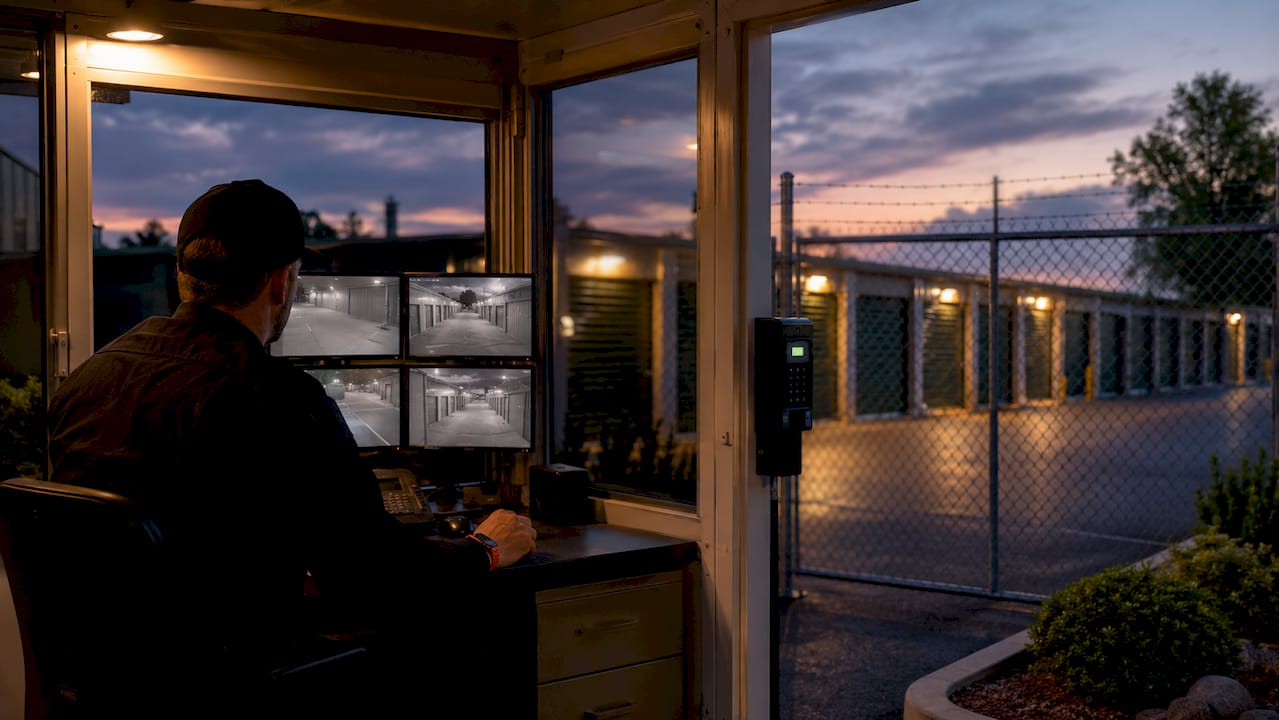
Pro Tip: Use a high-quality disc lock instead of a standard padlock on any self-storage unit. Disc locks are significantly harder to cut and resist bolt cutters far better than open-shackle designs.
Here is a direct comparison of the four main options:
| Storage type | Security level | Access | Insurance included | Best for |
|---|---|---|---|---|
| Safe deposit box | Very high | Bank hours only | No | Irreplaceable documents, jewelry |
| Home safe (certified) | High | 24/7 | No | Daily-access valuables |
| Self-storage unit | Medium to high | Extended hours | No | Bulk or seasonal items |
| Portable container | Medium | 24/7 | No | Short-term, on-site needs |
How do you organize items inside storage to maximize safety?
Physical security only protects what you can find and prove you own. Organization is the second layer of any solid storage system, and most people skip it entirely until something goes wrong.
Follow this sequence when setting up any storage space:
- Label every box on at least two sides. GEICO’s storage guidelines recommend labeling boxes on multiple sides so contents are visible regardless of how boxes are stacked or rotated.
- Create a written inventory with photographs. List every item, its estimated value, and its location within the storage space. Store this inventory separately from the items themselves, either digitally or at a second location.
- Place heavy items at the bottom. Stack lighter, fragile boxes on top to prevent crushing and make retrieval safer.
- Keep frequently accessed items near the front or top. This reduces the need to move other items repeatedly, which lowers the risk of accidental damage.
- Use archival materials for sensitive items. Acid-free boxes, silica gel packets, and padded sleeves protect photographs, documents, and heirlooms from environmental degradation over time.
For digital credentials tied to your stored items, such as insurance policy logins, safe combination records, or inventory spreadsheets, 1Password centralizes sensitive credentials and provides threat alerts, making it a practical tool for keeping your storage security workflow organized without writing passwords on paper.
Pro Tip: Treat your storage space like a small archive. Keep originals and copies separated, use labeled indexing, and minimize how often you handle fragile or irreplaceable items. The role of organized storage directly affects how well you can retrieve and verify items when it matters most.
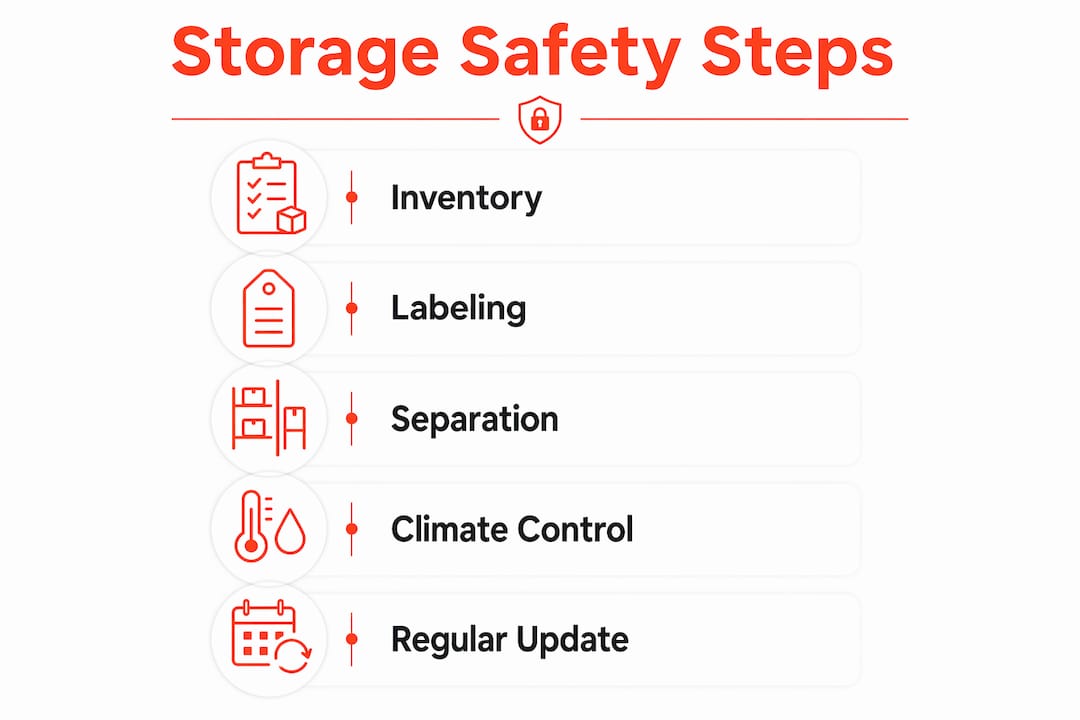
Climate-controlled units are worth the added cost for anything sensitive to temperature or humidity swings, including electronics, wooden instruments, wine, artwork, and certain medications. Standard units work fine for metal tools, furniture, and clothing.
What insurance and legal protections apply to stored items?
Physical security and insurance coverage are two completely separate systems. A locked vault protects against unauthorized access. Insurance protects against financial loss when that access fails or when disasters occur. Most people confuse the two and end up with neither working properly.
The most common coverage gap: homeowners and renters insurance policies typically cover personal property stored off-site, but only up to a sublimit, often 10% of your total personal property coverage. That sublimit may not cover high-value items like jewelry, art, or collectibles. A scheduled personal property endorsement adds specific items to your policy at their appraised value, closing that gap.
Key documentation practices that directly affect claim success:
- Photograph every item before storage, including serial numbers and identifying marks
- Keep receipts, appraisals, and purchase records in a separate location from the items
- Update your inventory annually or after adding new items
- Store copies of critical documents, including insurance policies, in both digital and physical formats
“Insurance claims frequently fail due to inadequate proof rather than poor physical security. Comprehensive photo and inventory documentation is the single most important step most owners skip.” — GEICO
For emergency documents such as passports, living wills, and medical directives, keep originals at home in a certified home safe. A safe deposit box is the wrong location for anything you might need outside of banking hours.
How do you choose the right secure storage solution for your needs?
The right storage solution depends on five factors: what you’re storing, how often you need access, how much privacy you require, your budget, and how long you need the storage.
Work through these questions before committing to any option:
- Item type and fragility. Documents and electronics need climate control. Jewelry and cash need high burglary resistance. Bulk furniture needs space more than security.
- Access frequency. Items you need weekly belong in a home safe or accessible home storage. Items you access once a year can go in a self-storage unit or safe deposit box.
- Privacy requirements. If discretion matters, a home safe or lockable personal storage box keeps your items out of any third-party facility’s records or access logs.
- Budget. Safe deposit boxes typically cost $20 to $200 per year depending on size and bank. Certified home safes range from $150 to over $2,000. Self-storage units average $100 to $300 per month depending on size and climate control.
- Duration. Short-term needs under three months favor self-storage or portable containers. Long-term storage of irreplaceable items favors certified home safes or safe deposit boxes.
The most secure personal storage systems combine two or more of these options. Keep daily-access valuables in a certified home safe, store irreplaceable documents in a safe deposit box, and use a self-storage unit for bulk items. This layered approach means no single point of failure can compromise everything at once.
Pro Tip: When evaluating a self-storage facility, ask specifically about continuous monitoring protocols. Effective facilities use real-time operator responses to deter unauthorized entry, not just recorded footage reviewed after an incident.
For lockable personal storage boxes used at home or on the go, durable materials matter as much as the lock itself. Thin-gauge metal or low-density plastic housings fail under physical stress even when the lock holds.
Key takeaways
Secure personal item storage works only when physical protection, organized documentation, and insurance coverage operate together as a single system.
| Point | Details |
|---|---|
| Layer your storage options | Combine home safes, safe deposit boxes, and self-storage units to eliminate single points of failure. |
| Verify safe certifications | Only UL or ETL certified safes deliver tested fire and burglary resistance. Uncertified models may fail in under 15 minutes. |
| Insurance requires documentation | Scheduled endorsements and photo inventories are necessary. Claims fail without them, regardless of physical security. |
| Keep emergency documents at home | Passports, medical directives, and power-of-attorney documents need 24/7 access. Bank vault hours make safe deposit boxes the wrong location. |
| Organize like an archive | Label on multiple sides, store inventory separately, and use archival materials for anything fragile or irreplaceable. |
What most storage guides get wrong
Most articles on personal item storage treat a lock as the finish line. After years of working with people who take their storage seriously, I’ve found the opposite is true. The lock is the starting point. What actually determines whether your valuables survive a theft, fire, or legal dispute is the documentation you built before anything went wrong.
The second mistake I see constantly is treating all safes as equivalent. Consumers assume a “fireproof” label means something. It often does not. Certification verification is the step that separates a safe that performs from one that looks the part. The same logic applies to self-storage facilities. Gated access and cameras are table stakes. What you actually want is a facility with continuous monitoring and documented response protocols, not just a recording system.
Privacy is the third factor most guides ignore entirely. If discretion matters to you, a third-party facility creates a paper trail and access log that a home solution does not. A well-built, lockable personal storage box kept in a secure home environment gives you control over who knows what you own and where it lives. That is not paranoia. It is a legitimate security consideration that belongs in any honest conversation about personal item storage.
— Tree Lock Box
Secure, lockable storage built for people who take it seriously
At Treelockbox, we design storage solutions for people who want physical security, discretion, and organization in one package. Our lockable stash boxes are built with durable materials, odor control, and American craftsmanship, with options for custom engraving to make each box genuinely yours. Whether you need a portable solution for on-the-go use or a home storage box that keeps your personal items organized and private, our full product range covers both. If you want to understand how our storage tools fit into a broader personal security setup, our storage and preparation guide walks through the details. Fast shipping, guaranteed quality, and secure payments are standard on every order.
FAQ
What does secure personal item storage actually include?
Secure personal item storage combines physical protection through locks and certified containers, organized inventory management, privacy controls, and insurance documentation. No single element is sufficient on its own.
Are safe deposit boxes insured by the bank?
Banks do not insure the contents of safe deposit boxes. You need a scheduled personal property endorsement on your homeowners or renters insurance policy to cover items stored inside.
What is the difference between a fireproof safe and a certified safe?
A “fireproof” label without UL or ETL certification means the safe has not been independently tested. Certified safes carry documented fire ratings measured in minutes and temperature thresholds, along with separate burglary resistance ratings.
How often should I update my storage inventory?
Update your inventory at least once per year and immediately after adding or removing high-value items. Store photo documentation and written records separately from the items themselves to avoid losing both in the same incident.
When does temporary storage make more sense than long-term storage?
Temporary self-storage works best for transitions lasting up to three months, such as moves, renovations, or seasonal item rotation. Long-term storage of irreplaceable items calls for certified home safes or safe deposit boxes with proper insurance coverage in place.