

Benefits of Lockable Storage Containers: 2026 Guide
Lockable storage containers are specially designed units that combine physical security, organized access, and durable construction to protect valuable items from theft, damage, and unauthorized use. The benefits of lockable storage containers extend well beyond simple security: they reduce operational downtime, support regulatory compliance, and protect sensitive inventory across industries from construction to cannabis. Whether you are an individual protecting personal valuables or a business managing controlled substances and equipment, secure storage is not optional. It is the foundation of responsible inventory management.
1. Benefits of lockable storage containers for physical security
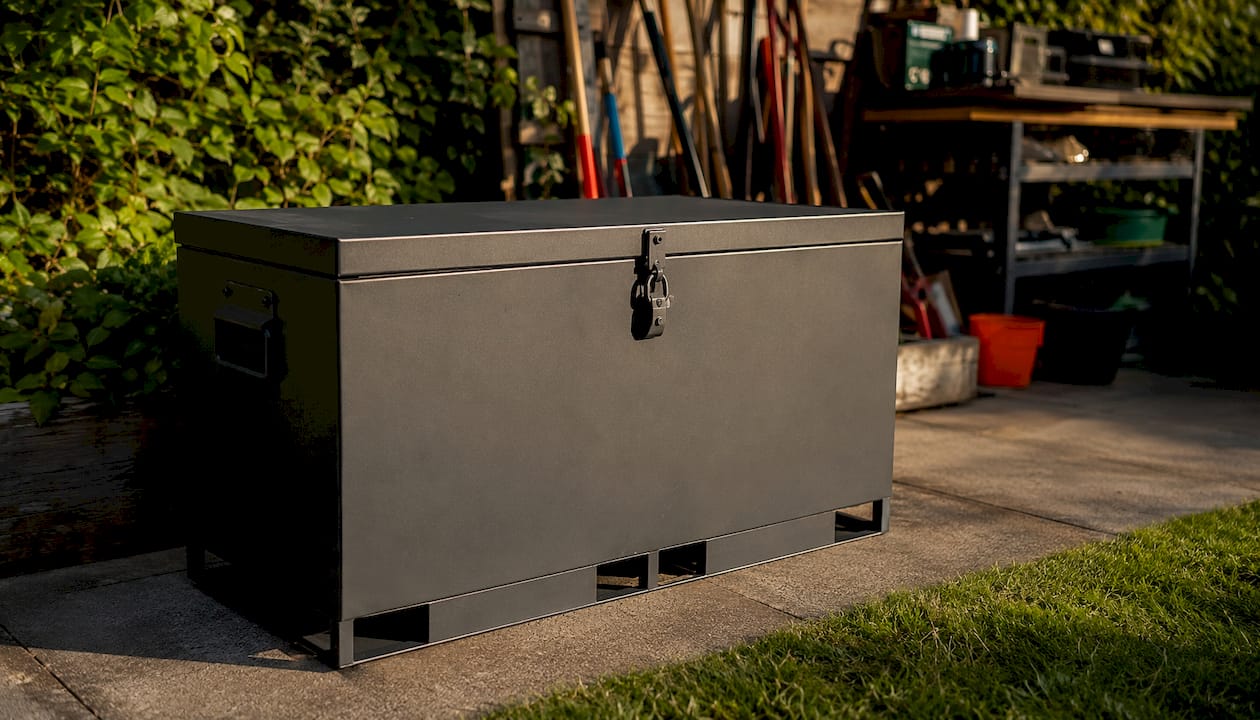
Physical security is the most direct advantage of lockable containers. A welded steel lock box paired with a puck lock deters forced entry far more effectively than a standard padlock exposed to bolt cutters. The difference is mechanical: a lock box shields the shackle and body of the lock, removing the attacker’s leverage point entirely.
Lock boxes force thieves to abandon silent bolt-cutter attacks and switch to angle grinders. Grinders are loud, slow, and conspicuous. That shift in required tools increases break-in time and raises the risk of discovery, which statistically reduces successful theft.
- Puck locks and shrouded padlocks sit flush against the container surface, eliminating exposed shackles
- Welded steel hasps prevent pry-bar attacks on the lock plate itself
- Vibration alarms costing $100–$500 add an electronic layer that alerts to tampering in real time
- Camera placement at container entry points compounds deterrence beyond the physical hardware
Pro Tip: Place your container in a well-lit, camera-visible location. Physical barriers and visibility work together. A thief who cannot work quietly and cannot work unseen will move on.
2. How lockable containers reduce theft risk over time
No lock is theft-proof. Quality locking systems increase break-in time, and that time increase is the actual deterrent. A thief weighing risk against reward will abandon a target that requires noisy, extended effort.
The financial case for upgrading lock hardware is concrete. High-security lockboxes and puck locks can reduce insurance premiums by approximately 15% due to enhanced theft prevention. That reduction compounds annually, meaning the hardware investment pays for itself without a single theft event.
Layered security multiplies this effect. Combining a quality container with a puck lock, vibration alarm, and surveillance camera creates a system where each element compensates for the weaknesses of the others. Security experts consistently recommend this approach over relying on container steel strength alone.
3. Organizational benefits for businesses and individuals
Secure storage is also an organizational tool. Businesses report improved productivity and fewer thefts when tools and inventory have a predictable, designated location. The logic is simple: if every item has a locked home, no one wastes time searching for it.
Lockable containers with internal compartments support inventory control in ways that open shelving cannot. Sensitive goods stay separated. Access logs, whether physical key records or electronic audit trails, create accountability. That accountability reduces internal shrinkage, which is a larger problem in most businesses than external theft.
- Construction sites use lockable steel containers to secure power tools overnight, eliminating daily transport costs
- Healthcare facilities use lockable internal boxes for medications and controlled substances, meeting regulatory access requirements
- Retail operations use lockable storage for high-value stock, reducing shrinkage without adding floor staff
- Cannabis businesses use organized lockable storage to track inventory against compliance records
The organizational benefit compounds over time. When staff know exactly where items are and who accessed them last, operational downtime drops and accountability rises.
4. Durability and environmental protection
A lockable container that rusts open or warps in heat provides neither security nor protection. Construction materials determine long-term performance. Welded steel containers resist impact and forced entry, while high-impact polyethylene units resist rust, moisture, and chemical exposure.
Weatherproofing and structural integrity protect contents from environmental damage when properly maintained. Door seals keep moisture out. Rust prevention coatings extend the container’s functional life. Routine inspections of hinges, frames, and seals preserve both security and environmental protection simultaneously.
| Material | Strength | Weather Resistance | Best Use |
|---|---|---|---|
| Welded steel | High impact resistance | Requires rust prevention coating | Industrial, construction, outdoor |
| High-impact polyethylene | Moderate impact resistance | Naturally rust-free, moisture-resistant | Healthcare, indoor, portable use |
| Aluminum alloy | Lightweight, moderate strength | Corrosion-resistant | Portable, travel, personal storage |
Pro Tip: Inspect door seals and hinges every three months. A compromised seal is a security failure and a moisture failure at the same time. Replacing a $10 seal prevents $500 in water-damaged inventory.
The condition of the container’s door seals, hinges, and frame is as critical as the lock itself. A strong lock on a warped door frame is a false sense of security. Maintenance is not optional; it is part of the security system.
5. Situational benefits across industries
Different industries use lockable containers to solve different problems, but the core advantages of secure storage remain consistent.
Healthcare uses anti-ligature, rotationally molded polyethylene units that combine hygiene, safety, and durability. These materials test at greater than 99% bacteria reduction under ISO 22196. Metal lockers corrode and harbor pathogens; polyethylene units do not.
Construction and industrial sites benefit from portable steel storage containers that provide superior security and weather protection compared to job trailers. On-site access eliminates transport delays and reduces the window of theft exposure.
Cannabis storage requires containers that meet both security and regulatory standards. A secure storage features checklist for cannabis in 2026 covers lock quality, odor control, tamper evidence, and access logging. These are not preferences; they are compliance requirements in most regulated markets.
- Portable lockable units serve travelers, field workers, and anyone who cannot rely on a fixed secure location
- Odor-controlling containers address both discretion and product preservation for cannabis users
- Tamper-evident designs provide proof of unauthorized access attempts, which matters for both insurance and compliance
The benefit of lockable containers in regulated industries extends into controlled access management, which is a critical aspect of modern physical security frameworks. Who accessed what, and when, is as important as whether the container held.
6. Selecting and maintaining lockable containers for maximum benefit
Choosing the right container starts with an honest assessment of your risk level and the value of what you are protecting. A $50 plastic box with a flimsy latch is not a lockable storage solution. It is a delay of about 30 seconds.
- Assess lock quality first. A puck lock or shrouded padlock on a welded steel hasp is the minimum standard for anything worth protecting. Standard padlocks with exposed shackles fail under bolt-cutter attacks in seconds.
- Evaluate container condition before purchase. Check door seals, hinge alignment, and frame integrity. A used container with a compromised frame will not hold a good lock effectively.
- Plan placement deliberately. Position containers in lit, visible areas where tampering requires noise and exposure. Placement is a security variable, not an afterthought.
- Add supplemental security. Vibration alarms in the $100–$500 range provide electronic detection that physical locks cannot. Pair them with a camera for full coverage.
- Schedule routine maintenance. Lubricate locks and hinges every six months. Replace door seals annually or when you see compression loss. A secure container that is not maintained degrades into an unsecured one.
- Manage keys and access records. A secure storage container is only as strong as its surrounding system, including key management. Limit key copies. Log access. Rotate combinations on electronic locks when personnel change.
The most common failure point in secure storage is not the container or the lock. It is the human system around them. Neglected maintenance and poor key discipline account for the majority of security failures in otherwise well-equipped storage setups.
Key takeaways
Lockable storage containers deliver security, organization, and durability only when the lock quality, container condition, and access management system all work together.
| Point | Details |
|---|---|
| Lock quality determines deterrence | Puck locks and welded steel hasps prevent forced entry far better than standard padlocks. |
| Layered security multiplies protection | Combining physical locks, vibration alarms, and cameras reduces theft risk more than any single measure. |
| Organization reduces operational downtime | Designated, locked storage locations cut time spent locating tools and inventory. |
| Maintenance preserves security | Inspecting seals, hinges, and frames every three months keeps containers secure and weatherproof. |
| Industry-specific needs require specific solutions | Healthcare, cannabis, and construction each require containers matched to their regulatory and environmental demands. |
Secure storage is a system, not a product
After years of working with cannabis consumers and businesses on storage solutions, the most persistent mistake I see is treating a lockable container as a finished security solution. People buy a good box, put a decent lock on it, and consider the job done. It is not done.
The container is the foundation. What sits on top of it matters just as much. Key management is where most systems fail. One extra key copy given to someone who no longer needs access, or a combination that has not been changed in two years, undoes everything the hardware achieves. I have seen well-built steel containers with excellent locks get bypassed because the spare key was hanging on a hook three feet away.
The other overlooked factor is maintenance. Locks seize. Hinges warp. Door seals compress and crack. A container that passed inspection 18 months ago may not pass today. The security you bought is not the security you have unless you maintain it. Build a maintenance schedule and treat it as seriously as you treat the lock itself.
The best storage systems I have seen share one trait: they treat security as an ongoing practice, not a one-time purchase. The container, the lock, the placement, the access records, and the maintenance schedule all function as a single system. When one element slips, the whole system weakens.
— Tree Lock Box
Treelockbox: secure storage built for cannabis accessories
Treelockbox designs lockable storage solutions specifically for cannabis consumers and businesses who need security, organization, and discretion in one package. Every product in the Treelockbox shop addresses the real-world needs covered in this guide: tamper-resistant construction, odor control, and organized internal compartments for tools and accessories. American craftsmanship and custom engraving options make each unit both functional and personal. For buyers who want to understand exactly what features matter before purchasing, the cannabis storage FAQ covers lock types, materials, and compliance considerations in plain language.
FAQ
What makes a lockable storage container secure?
A secure lockable container uses a welded steel body, a shrouded hasp, and a puck lock or shrouded padlock to eliminate exposed attack points. Supplemental vibration alarms and camera placement complete the security system.
How do lockable containers help with organization?
Lockable containers create a predictable, designated location for tools and inventory, which reduces time spent searching and supports accurate inventory tracking. Internal compartments separate items by type or access level.
Are lockable containers worth the cost for personal use?
Yes. High-security hardware can reduce insurance premiums by approximately 15%, and the protection of valuable or regulated items far outweighs the upfront cost of a quality container and lock.
What maintenance do lockable storage containers require?
Inspect door seals, hinges, and frames every three months. Lubricate locks and hinges every six months. Replace compressed or cracked seals annually to maintain both security and weather resistance.
Which industries benefit most from lockable storage solutions?
Healthcare, cannabis, and construction benefit most due to regulatory requirements, high-value inventory, and exposure to environmental conditions. Each sector requires containers matched to its specific security and compliance demands.
Recommended
- Secure Locking in Medical Storage: 2026 Compliance Guide – Tree Lock Box
- Types of Lockable Personal Storage Boxes Explained – Tree Lock Box
- Secure Storage Features Checklist for Cannabis in 2026 – Tree Lock Box
- Why Every Cannabis User Needs a Lockable Storage Box – Secure & Organized – Tree Lock Box