

When to Do a Carbon Smell Filter Replacement
Replace the activated-carbon insert in your stash box the moment odor containment noticeably drops, or on a routine schedule generally recommended to cover a broad usage range, whichever comes first. If you’re standing there sniffing your box wondering “is it just me?”, the answer is no. Swap the insert now and test.
Here’s why the range is so wide: activated carbon works through adsorption, trapping terpenes like myrcene, limonene, and caryophyllene in microscopic pores rather than destroying them chemically. That means every insert has a finite number of “seats” for odor molecules. Heavy daily use fills those seats fast, pushing replacement toward the 6-month end. Light, occasional use stretches an insert closer to two years, per Custom Filters Direct’s breakdown of activated-carbon lifespan.
Before you order anything, run this quick check:
- Sniff test: Open the box in a closed room. Any lingering skunk after a few seconds means the carbon is saturated.
- Visual inspection: Look for compression, tears, or a flattened, brittle insert. Physical damage overrides the calendar. Manufacturer guidance from Life Supply USA lists visible degradation as a hard replace signal, not a maybe.
- Seal check: Press the zipper or gasket closed and check for gaps. A weak seal makes even a fresh insert work overtime.
Pro Tip: If you’re on the fence, replace the insert anyway. A fresh carbon disc costs far less than the frustration of a stash box that doesn’t do its one job.
Table of Contents
- How Carbon Inserts Actually Fail
- Where to Buy Replacement Carbon Inserts
- Your Replacement and Maintenance Checklist
- Sources
- FAQ
How Carbon Inserts Actually Fail
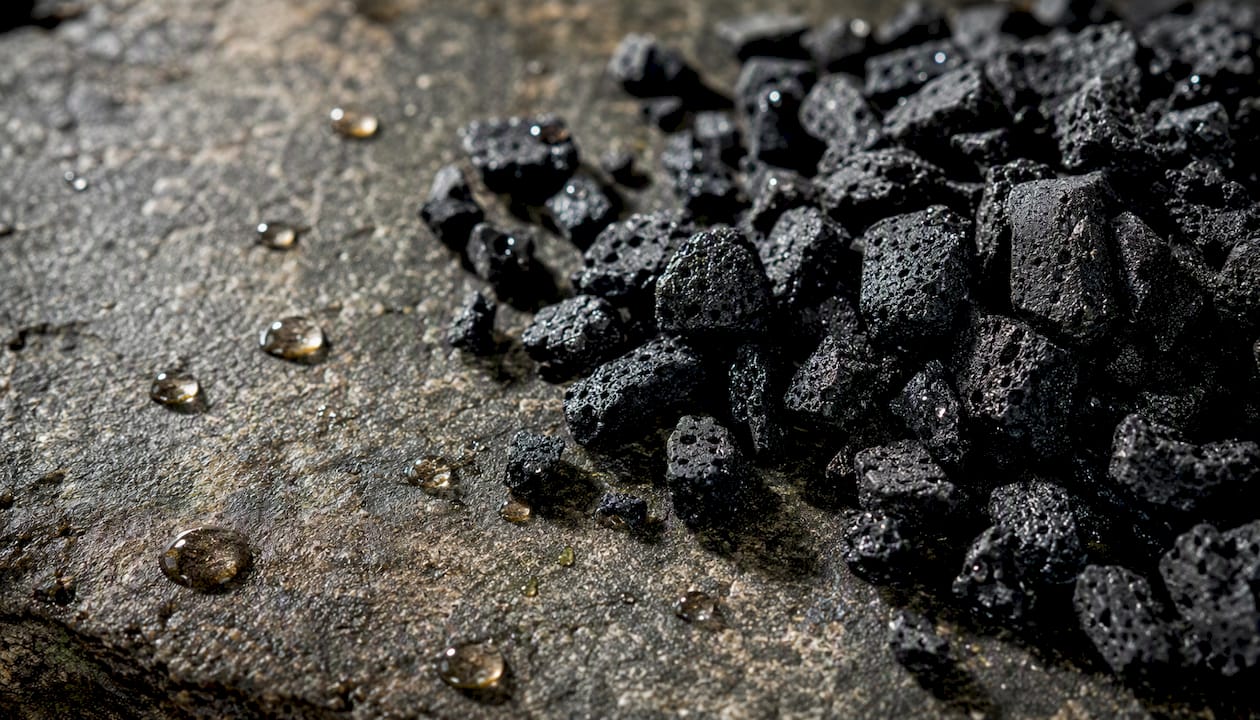
Most users think of carbon filters like sponges that eventually “fill up.” That’s roughly right, but the mechanism matters more than people assume. Activated carbon has an enormous internal surface area riddled with pores, and terpene molecules stick to those pore walls through weak physical bonds. Nothing gets destroyed. Nothing gets neutralized. It just accumulates, which is exactly why saturation is inevitable rather than occasional.
Seals are the variable nobody checks. A gasket with a slow leak or a zipper that doesn’t fully close forces the carbon to fight a losing battle constantly, since it never gets a break from incoming odor. Filterbuy’s research on filtration systems makes a point that applies directly here: fixing a leaking seal often does more for odor control than replacing the carbon more often. Check the role your seals play before you assume the insert is the problem.
Moisture is the other silent killer. Humidity competes for the same pores that trap terpenes, and once water molecules move in, there’s less room for odor compounds, according to discussions among growers dealing with humid climates. Storing your box in a damp closet or bathroom shortens insert life regardless of how often you open it.
The most common user error? Leaving open jars or loose flower inside the box instead of using airtight containers as a first line of defense. That dumps a constant stream of fresh terpenes onto the carbon, burning through capacity fast. A close second: assuming you can just wash a saturated insert and get it back to full strength. You can’t, and reactivation has real limits.
Where to Buy Replacement Carbon Inserts
If your sniff test failed or your insert is visibly compressed, the fastest fix is a direct-fit replacement rather than guessing with a generic pad trimmed to size. Treelockbox builds its stash boxes around removable carbon inserts specifically so you’re never stuck rebuying the whole container over one worn-out filter.
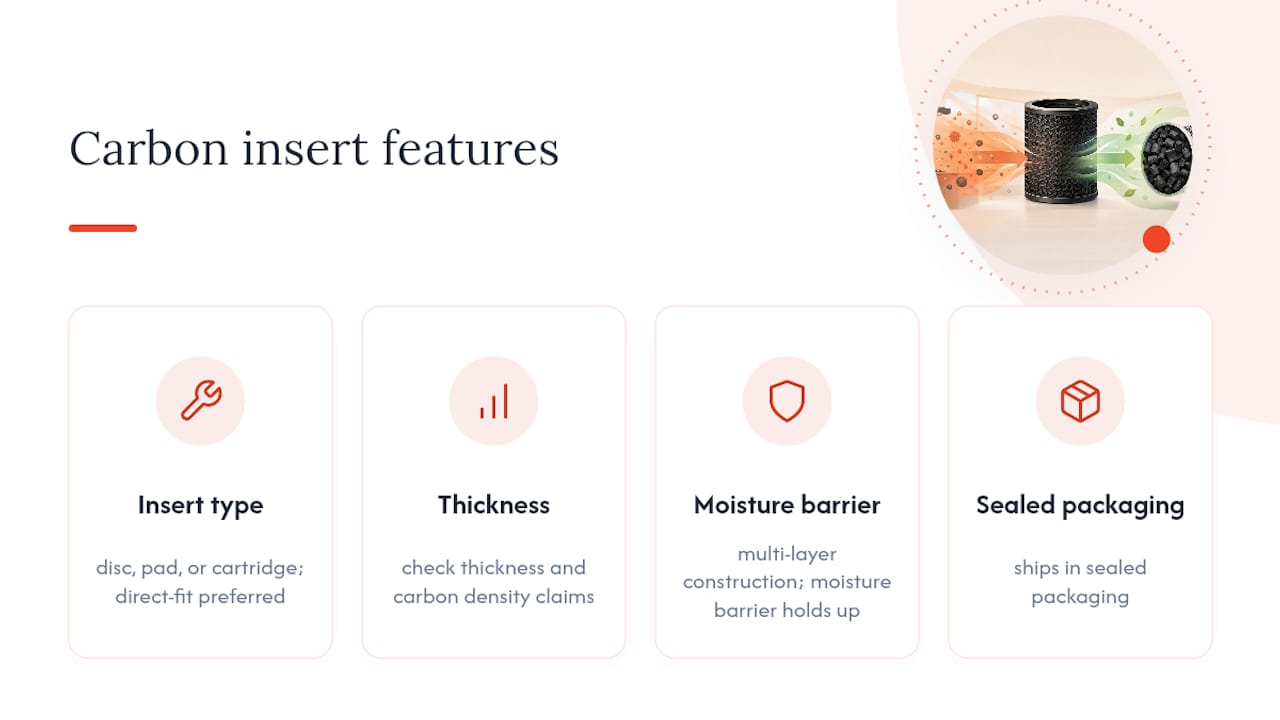
When you’re comparing listings, check four things: insert type (disc, pad, or cartridge), thickness and carbon density claims, whether it includes a moisture barrier, and whether it ships in sealed packaging. A thin, unsealed pad sitting on a warehouse shelf for months has already started losing capacity before it reaches you. Multi-layer construction with a dedicated moisture barrier, the kind smell-proof packaging manufacturers recommend, holds up longer under real-world humidity.
For fit, measure your existing insert’s diameter and thickness before ordering; OEM replacements sized for your specific Tree Lock Box model install without trimming, while cut-to-fit aftermarket pads work but require more careful sizing. Pair your storage box with tools that reduce how often you open it in the first place. A Herb Grinder collection piece and the Bud Lightning no-touch rolling tool let you prep away from your stash box entirely, which means less exposure and a longer-lasting insert.
Ready to order? Head to the Tree Lock Box shop for direct-fit replacements, or check the product FAQ if you’re unsure which insert size matches your box.
Your Replacement and Maintenance Checklist
The single most reliable rule: when odor breaks through or the insert shows physical damage, replace it, regardless of how long it’s been.
- Inspect monthly with the sniff and visual test, more often if you use the box daily.
- Clean and check the gasket or zipper every time you swap the insert, since a bad seal shortens even a brand-new filter’s life.
- Expect several months of service under heavy daily use, extending to a couple of years under light, occasional use.
- Store the box away from bathrooms, laundry rooms, or anywhere humid.
- Dispose of used inserts as regular household waste; they’re not hazardous, just spent.
- Low-heat reactivation (a short dryer cycle or direct sunlight) can restore some capacity in a pinch, but treat it as temporary. It won’t match a fresh insert.
Sources
A few sources back the guidance above if you want to dig deeper into the mechanics or shop for specs:
- How long do carbon air filters last? – Custom Filters Direct
- Carbon filter exhaustion & warning signs – Filterway blog
- Activated carbon charcoal air filters: How long do they last? – Life Supply USA
- What Is The Best Material For Smell-Proof Packaging? – BNPack
FAQ
How long do carbon filters last in a stash box?
Most inserts last 6 to 24 months, with heavy daily use pushing replacement toward the shorter end and occasional use extending it toward two years.
What are the clearest signs a carbon filter needs replacing?
A lingering smell after the sniff test, visible tears or compression in the insert, and a weakened gasket or zipper are the three main red flags.
Can I wash or reactivate a carbon insert instead of replacing it?
Light heat exposure, like a short low-heat dryer cycle or direct sunlight, can partially restore capacity, but it’s a temporary fix, not a substitute for a new insert.
Does Tree Lock Box sell OEM replacement inserts?
Yes. Tree Lock Box stash boxes use removable carbon inserts with direct-fit OEM replacements available through the shop, so you never have to replace the whole box.
Why does my carbon filter wear out faster than expected?
Moisture and a leaking seal are the two biggest culprits. Both force the carbon to work harder than it should, saturating it well before its expected timeframe.